Step Into Slovenia’s Living Craft Classrooms
Today we explore Hands-On Workshops and Retreats: Learn Slovenian Crafts from Masters, inviting you into studios, farms, and mountain villages where techniques are passed hand to hand. Expect lively demonstrations, generous mentorship, and time to practice until your fingers remember. Ask questions, compare notes with fellow learners, and share your progress with our community so we can celebrate each stitch, shaving, and fired pot together.

Reading the Seasons and Festivals
Local calendars shape what you can learn and when. The Idrija Lace Festival fills June with bobbins, exhibitions, and pop-up lessons. Ribnica’s fairs feature renowned woodenware sellers. Autumn harvests bring cozy studio rhythms and slower, deeper instruction. Book early around holidays, ask about weather contingencies in alpine villages, and watch for special masterclasses announced only weeks before, often tied to museum openings or village celebrations that add unforgettable context to every technique.
Matching Skills to the Right Mentor
Masters welcome beginners, but each artisan has a teaching style. Some prioritize foundational drills; others prefer project-led discovery. Share your goals, photos of past work, and curiosity well before arrival. Ask about class size, assistant support, and tool availability. A good match respects your pace, offers clear demonstrations, and provides structured feedback sessions. You leave not just with an object, but with transferable habits that let you continue progressing confidently back home.
Meet Iconic Traditions Up Close

Idrija Bobbin Lace
Lace schools in Idrija cultivated meticulous patterns shaped by miners’ families and merchants’ routes. Recognized by UNESCO, the craft teaches patience, rhythm, and design thinking. Under a master’s guidance, you’ll wind bobbins, pin trails, and read charts like music. Mistakes become maps, and repetition becomes calm. Finishing your first clean corner or delicate leaf feels like hearing a bell ring across the valley, crystal clear and enormously satisfying.
Ribnica Woodenware and Whittling
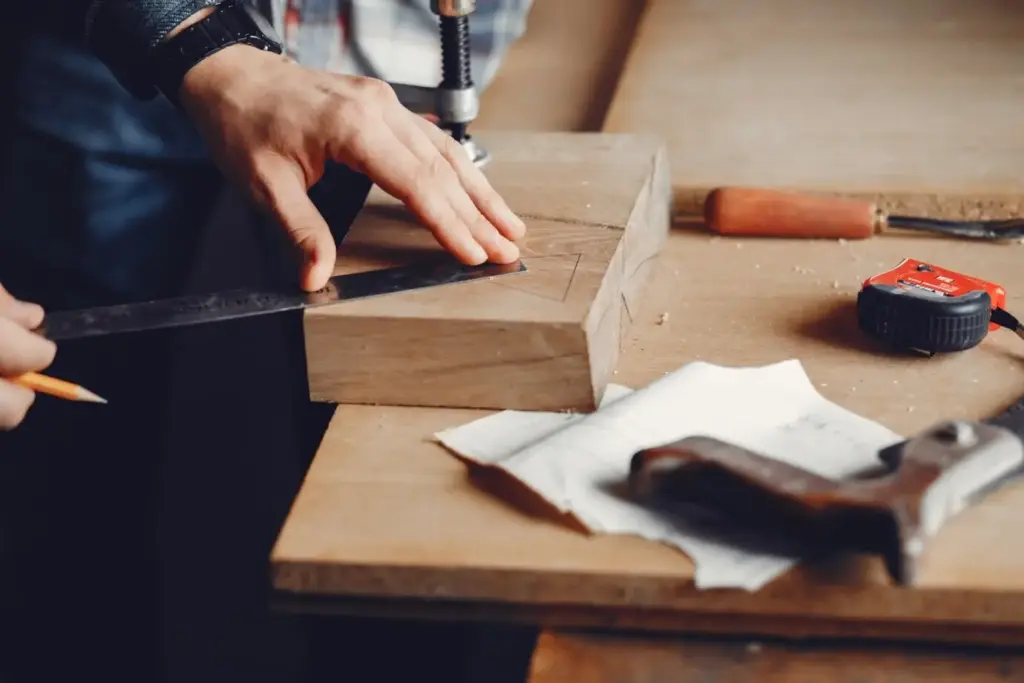
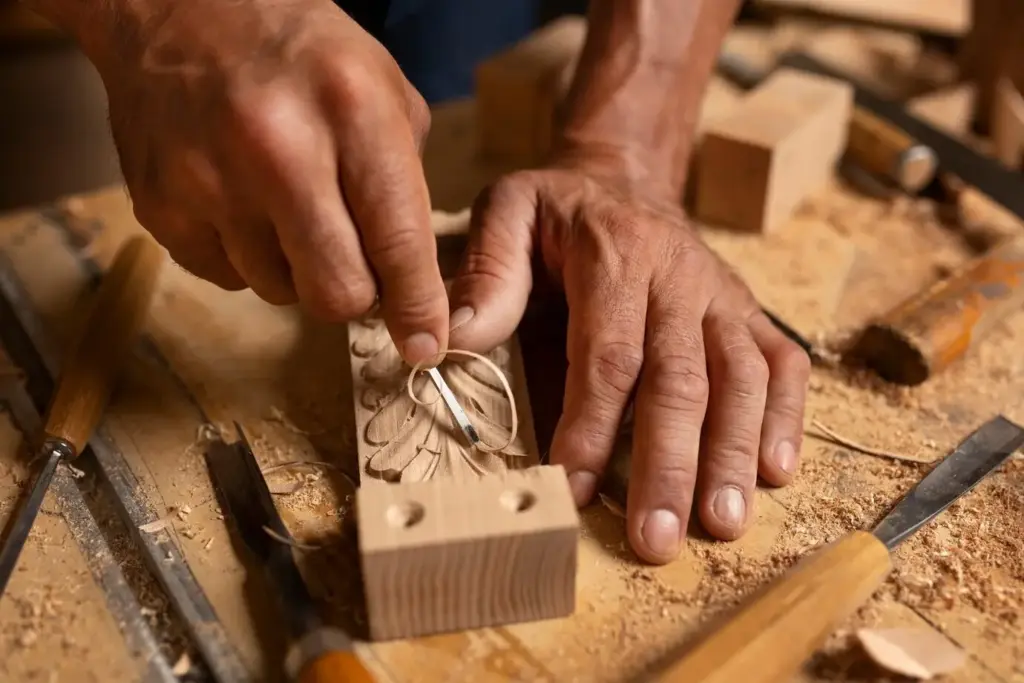
Ribnica’s famous peddlers once carried spoons and bowls across Europe, spreading functional beauty. In today’s workshops, you select beech or maple, learn grain-reading, and practice safe, efficient knife grips. Chips curl like cinnamon peels, scents rise, and forms reveal themselves. Masters emphasize sharpening rituals that turn effort into glide. You leave with a kitchen tool shaped by your hands, and the confidence to maintain it for decades of everyday use.
Prekmurje Pottery and Black Ceramics
On the gentle plains of Prekmurje, potters throw sturdy vessels for bread, stews, and celebrations. Some pursue dramatic black finishes through reduction firing, coaxing smoke into deep, velvet tones. You’ll center clay, pull walls, and appreciate the kiln’s temperamental soul. Even trimming bases becomes a meditative act. Sharing gibanica after a firing, you grasp how hospitality, soil, and flame collaborate, turning practical objects into keepsakes that quietly anchor family tables.
Inside the Retreat: Rhythm, Rituals, and Place
Retreats slow time so learning can sink into muscle memory. Mornings might begin with coffee and tool preparation, followed by demonstrations that unfold like stories. Afternoons open into personal work, guided corrections, and generous critique. Evenings drift toward songs, kiln watching, or lace blocking by lamplight. The setting—forest edge, vineyard hill, or riverside mill—becomes a quiet collaborator, reminding you to breathe, notice textures, and trust the steady intelligence of your hands.
Materials, Tools, and Ethics of Making
Craft choices are ethical choices. Sourcing local wood, responsibly harvested fibers, and transparent glazes sustains habitats and livelihoods. Masters explain why linden carves kindly, which bobbin threads block crisply, and how to test clay maturity. Safety is non-negotiable: masks for sanding, ventilation for kilns, eye protection for chips. You’ll also learn respectful repair, waste reduction, and documentation—habits ensuring your learning protects both the environment and the communities that keep traditions alive.
Sourcing with Integrity
Ask where materials come from, who prepared them, and how they’re replenished. Choose FSC-certified woods, fair-paid lace threads, and clays responsibly extracted. Buying directly from cooperatives keeps money close to the makers who guide you. Avoid tourist kits that mimic style without knowledge. When you understand provenance, every cut and knot carries gratitude, turning your finished piece into both a personal achievement and a quiet commitment to sustainability.
Tool Care and Workshop Safety
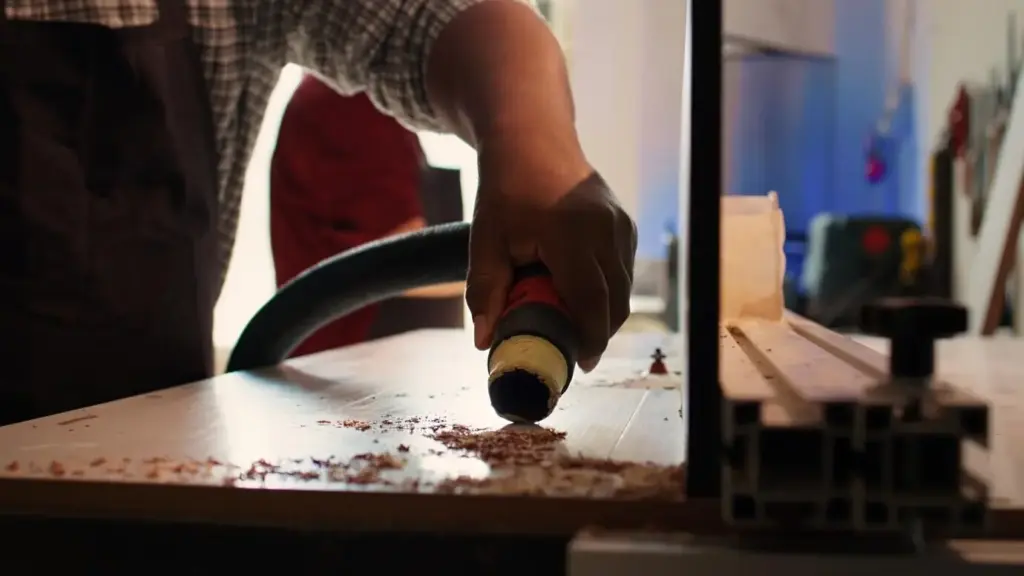
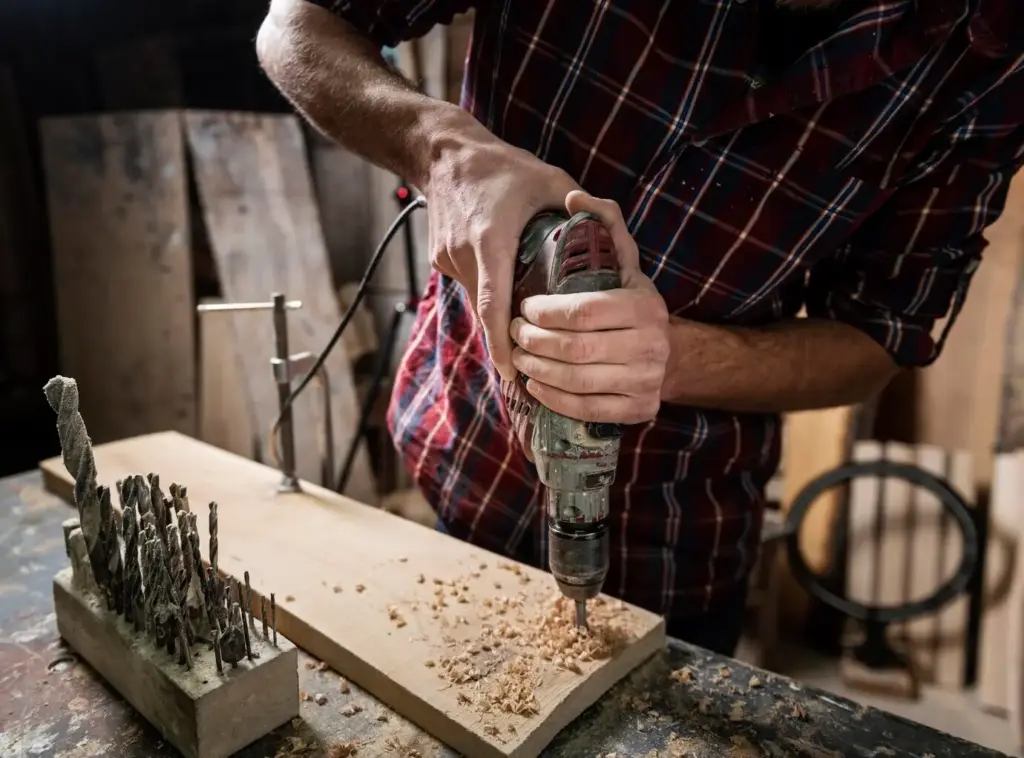
Sharp tools are safer and kinder to materials. Learn to hone knives, lap chisels, and condition bobbins with beeswax. Respect heating elements and glazes by following ventilation protocols and labeled storage. Wear protective glasses; sweep often; keep cords tidy. Practice safe body mechanics—neutral wrists, engaged core, solid footing. Safety isn’t separate from creativity; it enables long, joyful careers where confidence arises from both skill and mindful stewardship of your working environment.
Stories That Stay in Your Hands
Techniques stick best when paired with lived moments. You will remember the master’s chuckle when your bobbins found rhythm, the kiln’s hush before dawn, or the satisfying click of a properly seated tang. Anecdotes become anchors for complex steps, turning nerves into confidence. Share your experiences with us—photos, questions, and reflections—so others can learn from your breakthroughs and near-misses, building a circle where generosity keeps traditions vibrant and evolving.
Plan, Budget, and Join the Community
Clarity frees creativity. Confirm dates, deposits, and cancellation policies. Sketch a budget that includes tools, materials, lodging, meals, and transport. Consider travel insurance and space for safely bringing home your work. Ask about translators or English-speaking assistants. Then, connect with our community: subscribe for workshop alerts, join discussions about technique, and share itineraries. Your questions and insights help shape future guides, making every reader’s next learning journey smoother, richer, and more connected.
Fly into Ljubljana or nearby hubs, then continue by train, bus, or rental car to valleys and villages. Double-check studio addresses and pickup points. Pack layered clothing, closed-toe shoes, and a protective apron. Bring a notebook, labeled containers, and travel-friendly packaging materials. Keep some cash for rural markets. With route options mapped and contact numbers saved, you arrive calm, on time, and ready to focus entirely on the satisfying work awaiting your attentive hands.
Craft spaces run on trust. Arrive promptly, keep benches tidy, and ask before filming or posting processes. Credit designs and teachers, and do not copy proprietary patterns for resale. Learn a few Slovenian greetings; small efforts matter. Offer to help sweep, brew tea, or stack wood. Clear communication—about goals, limitations, and needs—invites tailored guidance. Mutual respect makes classes kinder, feedback clearer, and results stronger for everyone gathered around the shared work.