Living Traditions: Sustainable Materials Across Slovenian Hands
Step into workshops where lace threads and hive boards share a single respect for nature. Today we explore Sustainable Materials in Slovenian Craft: From Idrija Lace to Beekeeping Woodwork, following makers who choose fibers, timbers, and finishes that honor heritage, protect bees, reduce waste, and keep delicate skills alive. Expect practical ideas, heartfelt stories, and inspiring ways you can support this living tradition.

From Thread to Enduring Lace

Idrija lace carries centuries of patient hands, and the materials chosen today matter as much as the patterns themselves. Artisans increasingly prefer organic linen and responsibly sourced cotton, valuing durability, repairability, and a gentle environmental footprint. Even tools reflect care: bobbins turned from local fruitwood, pillows stuffed with buckwheat hulls, and covers dyed with plant colors. Every decision adds strength to craft, community, and the landscapes that nourish them.

Selecting Species for Comfort and Longevity

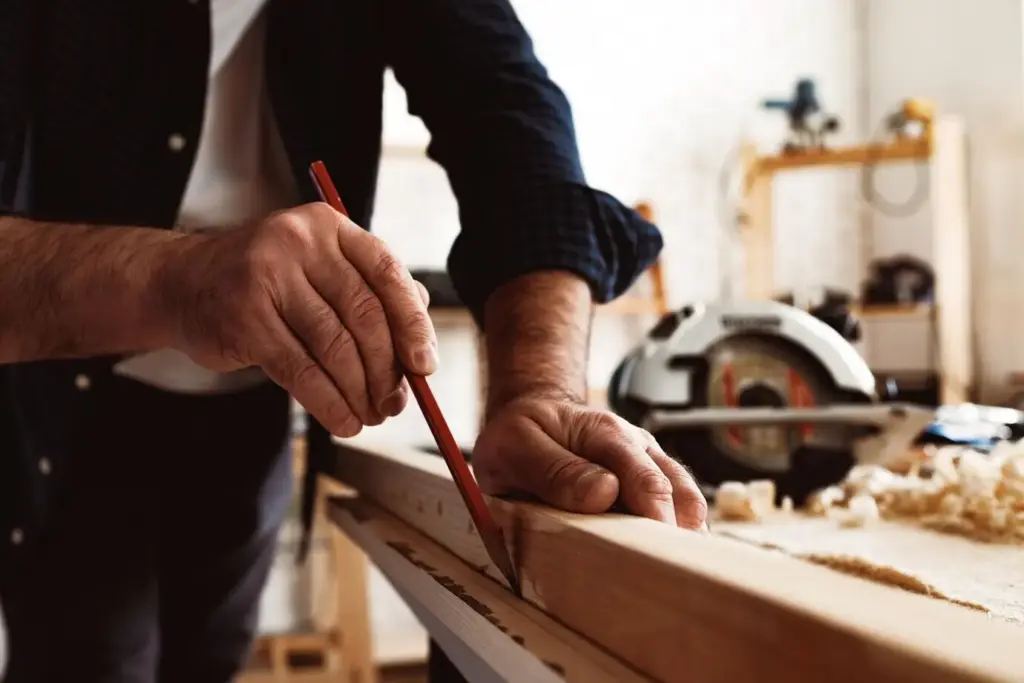
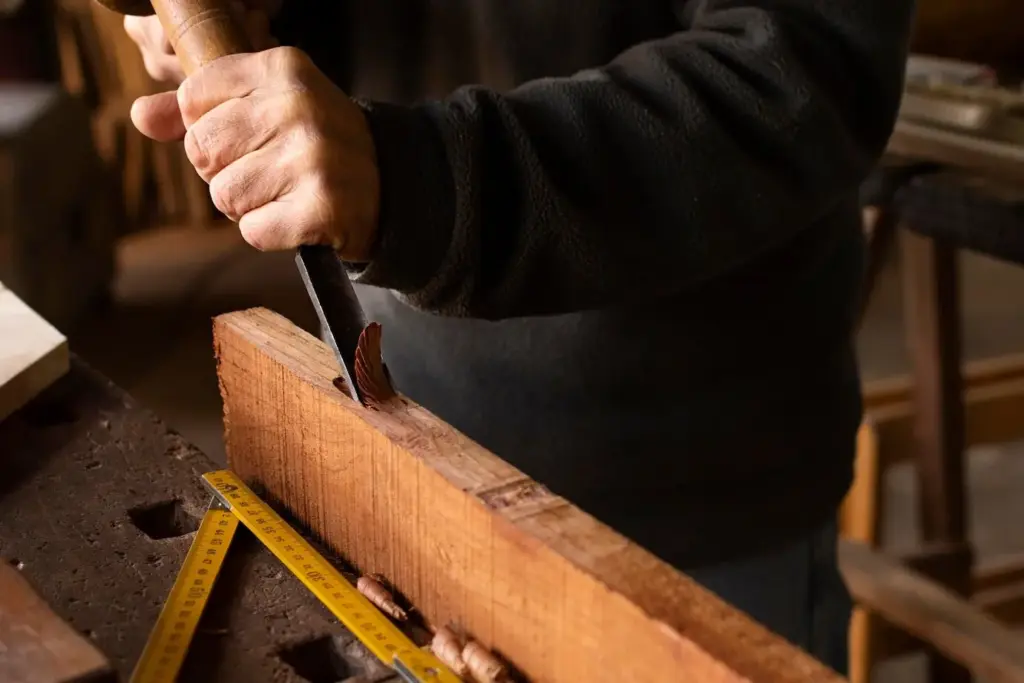
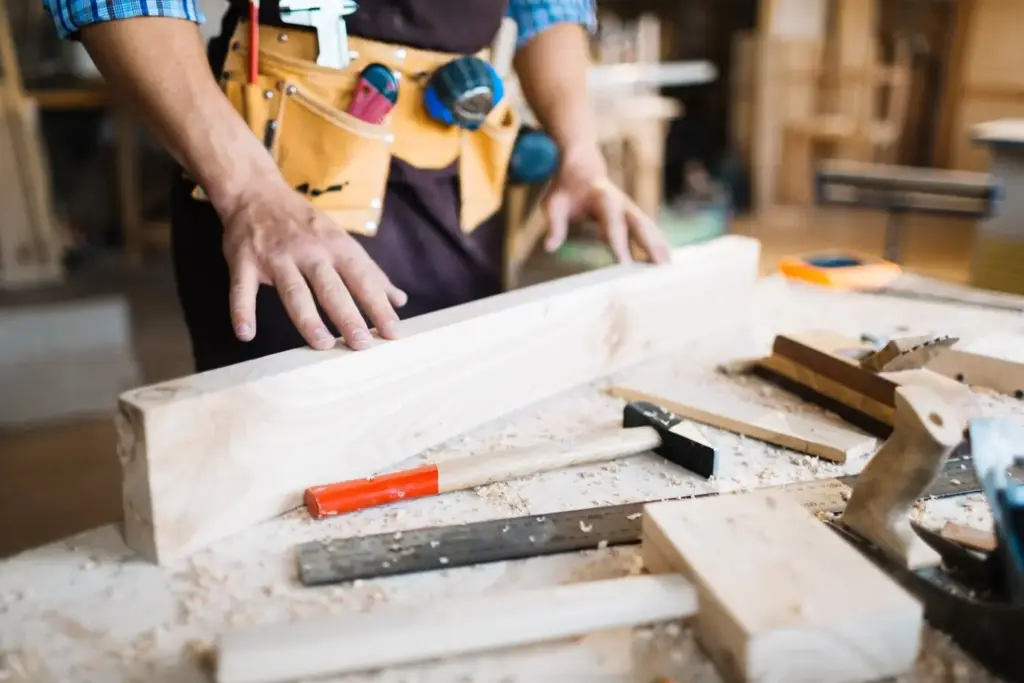
Choosing wood begins with climate. Spruce and fir balance weight and insulation, easing seasonal shifts. Linden carves cleanly for panels and vents, while durable larch may serve exposed elements. Certified forestry—FSC or PEFC—ensures regeneration and steady wildlife habitats. Proper seasoning reduces cracks that invite moisture and pests. When timber is matched to function and responsibly sourced, beekeepers spend more time listening to bees and less repairing avoidable damage.

Finishes Bees Approve

Interior surfaces remain bare or treated with thin beeswax, keeping the microclimate natural and scents familiar. Exterior protection relies on cold-pressed linseed oil, oil-wax blends, or casein paints pigmented with mineral earths. These finishes breathe, shed rain, and avoid off-gassing that confuses colonies. When a touch-up is needed, it sands easily and layers cleanly. Finishing becomes an act of stewardship, preserving wood while respecting the sensitive lives it shelters.

Repairable Joints and Thoughtful Details

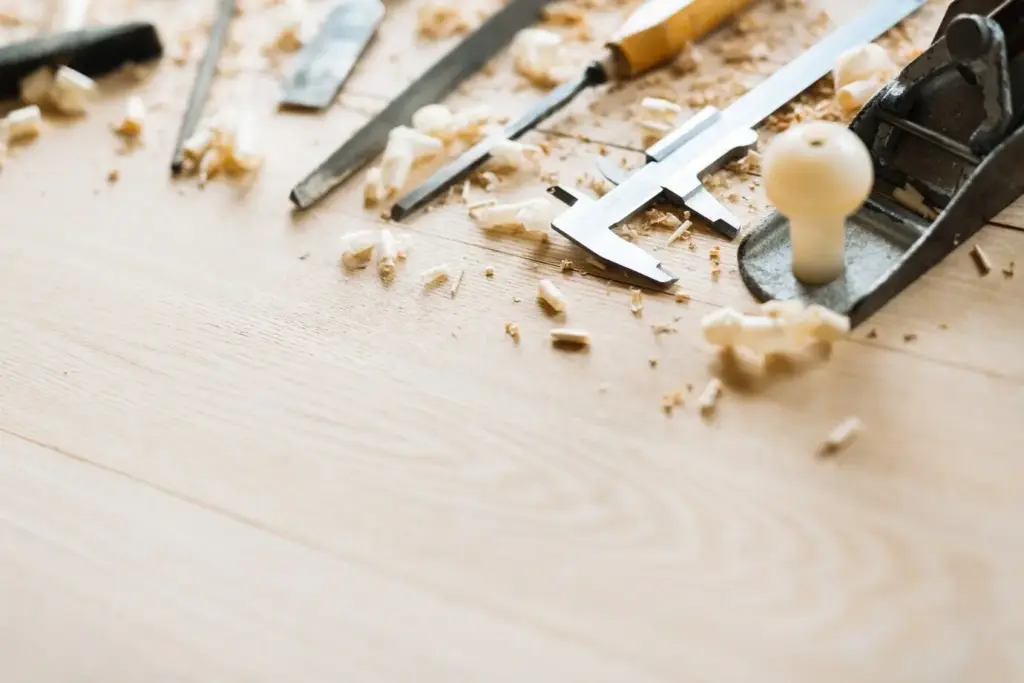
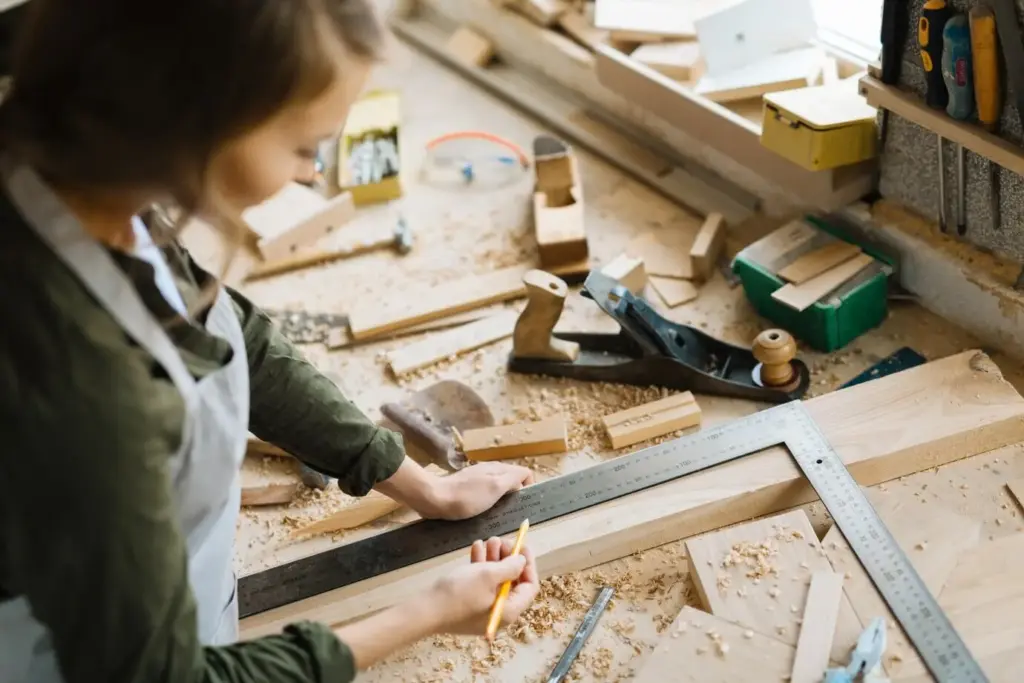
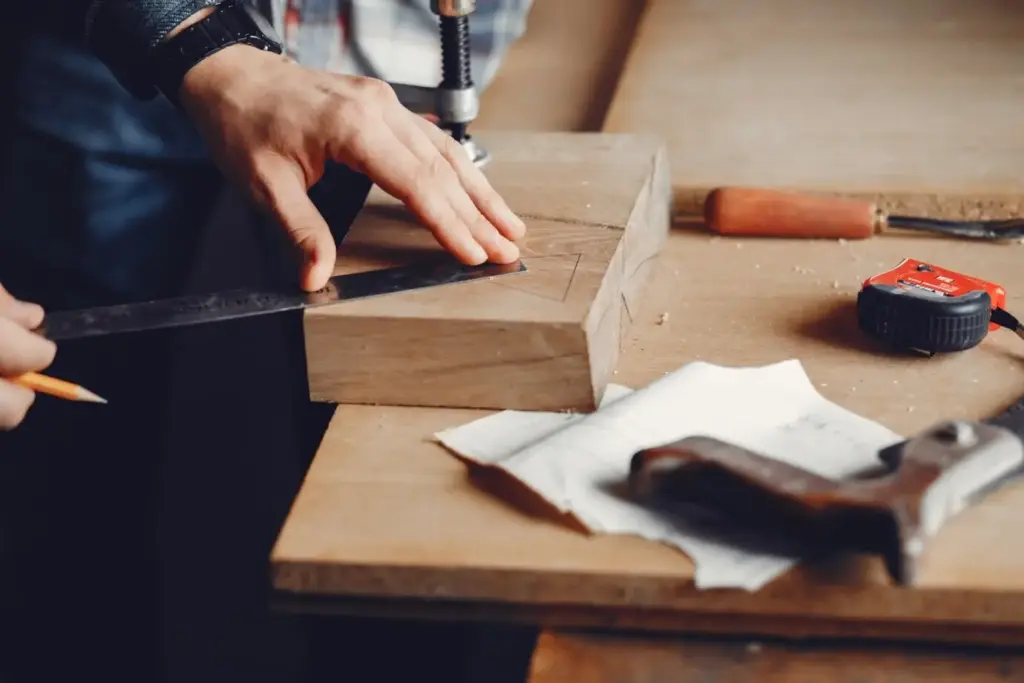
Repairability begins on the drafting table. Straightforward joinery, replaceable screws, and standardized parts transform a cracked corner from disaster into afternoon maintenance. Sloped roofs shed snow, lifted bases deter damp, and generous overhangs protect entrances. Swappable frames simplify inspection and cleaning. By valuing reversible assembly over harsh glues and foams, beekeepers extend service life, reduce waste, and keep their investment focused on bee health rather than constant replacement.

Color, Scent, and Safe Chemistry
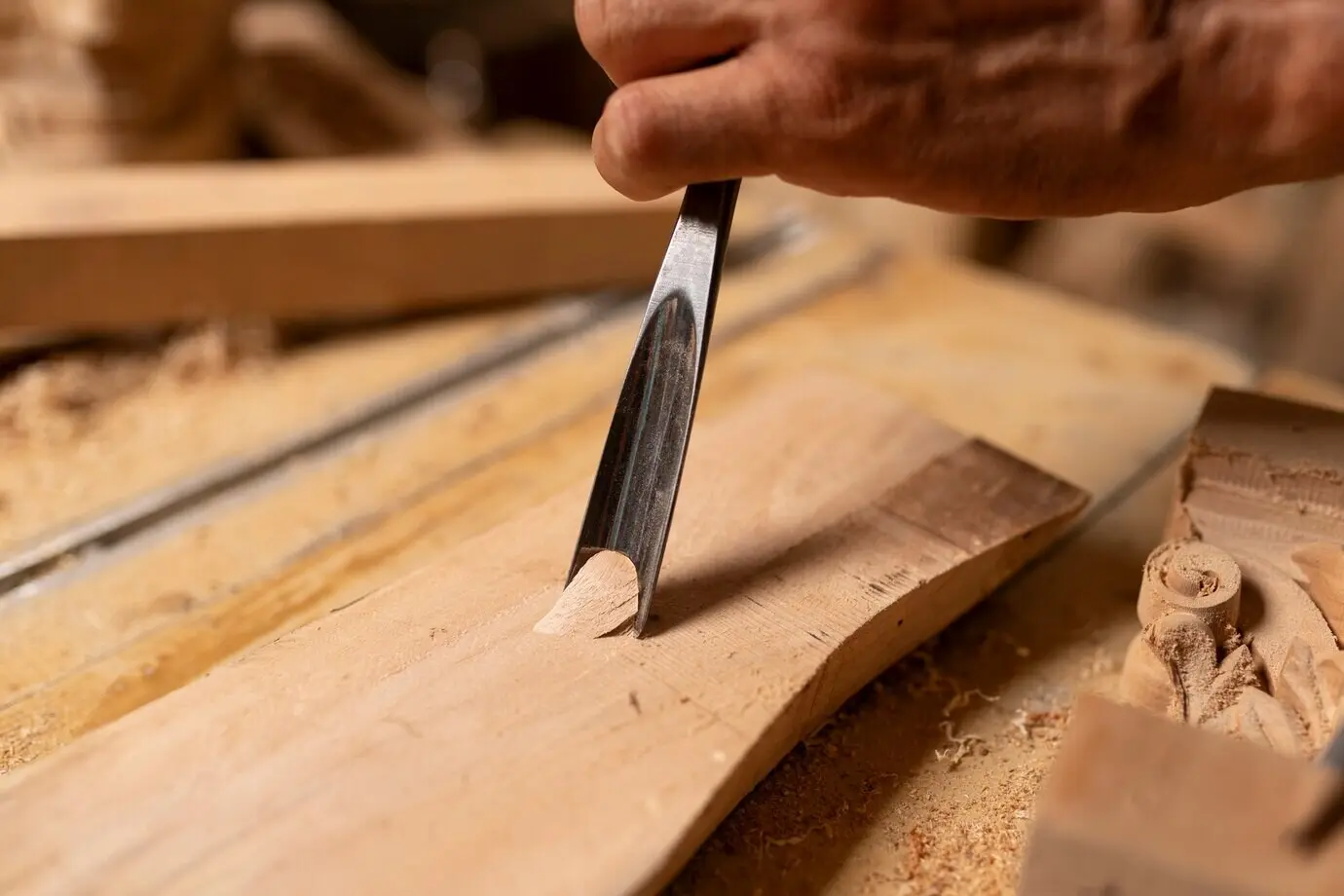
From lace edgings to hand-painted beehive panels, color expresses place and story. Makers increasingly select low-toxicity pigments and binders, leaning on casein, linseed oil, and waterborne options with restrained additives. Natural dyes from walnut hulls, onion skins, and madder offer warm tones without harsh mordants. In hives, finishes avoid strong odors that disturb bees. The guiding idea is simple: beauty should nurture life, not compromise it.

Circular Crafting in Practice

Sustainability shines in the quiet loops: pruned branches become lace bobbins, sawdust fuels smokers, and wax finds many afterlives. Lace offcuts embellish cards or bookmarks, turning remnants into tokens with purpose. Retired hive parts become garden planters or teaching aids. Even packaging matters—reused boxes, paper tapes, and plant-ink stamps. The goal is elegant frugality, where nothing good is wasted and everything tells a longer, kinder story.

Hands, Heritage, and New Ideas

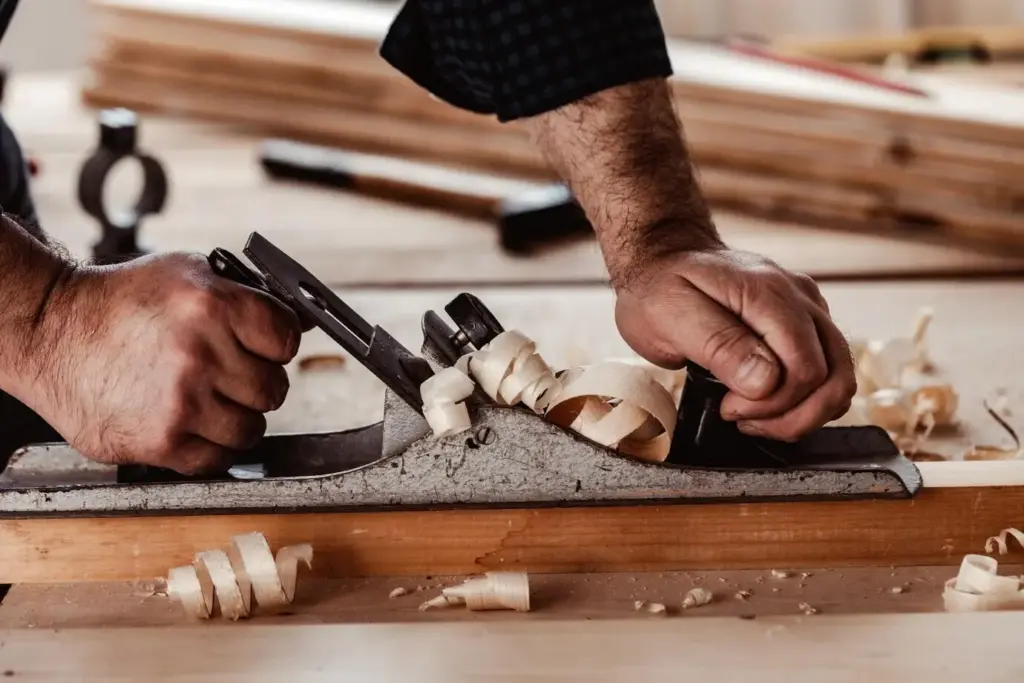
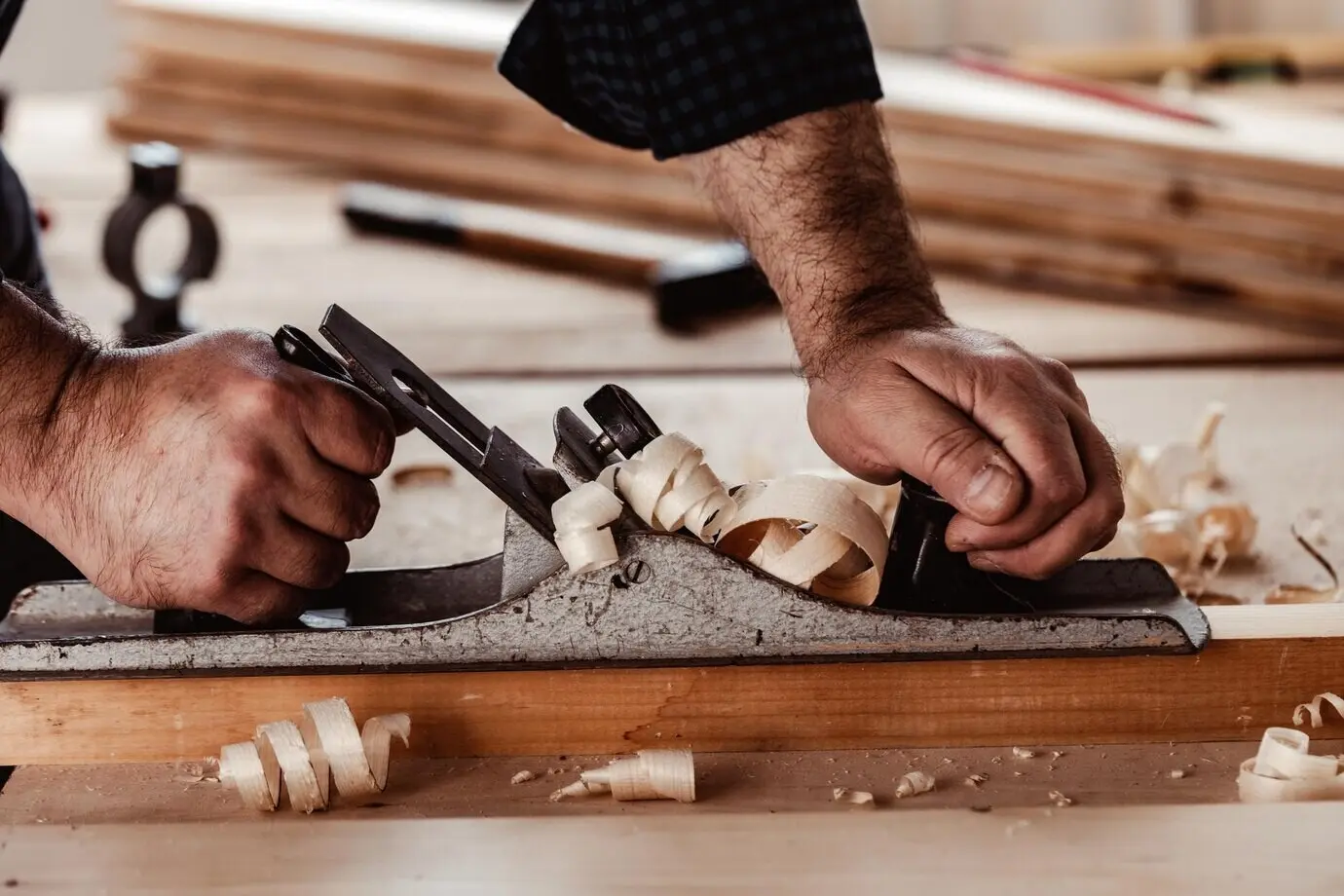
Sustainable materials are ultimately about people. In Idrija, students learn to read thread tension like music. In Upper Carniola, beekeepers plane boards by daylight and whisper to hives at dusk. Designers bridge tradition and modern use, applying lifecycle thinking without diluting soul. These are not museum pieces; they are dependable companions. Stories of real makers show why responsibility and beauty belong side by side, every ordinary working day.

Learn, Support, and Stay Connected

Curiosity keeps traditions alive. Visit the Idrija Lace School, the Slovenian Beekeeping Museum in Radovljica, or small workshops between valleys. Ask about fibers, woods, and finishes; makers love informed questions. Support certifications that protect forests and farms. Share articles, bring friends, and return often. Your interest turns sustainable choices from a niche into a norm, strengthening livelihoods and the buzzing, blooming places that make them possible.
Vatiremiverirozanaxo
Privacy Overview

This website uses cookies so that we can provide you with the best user experience possible. Cookie information is stored in your browser and performs functions such as recognising you when you return to our website and helping our team to understand which sections of the website you find most interesting and useful.