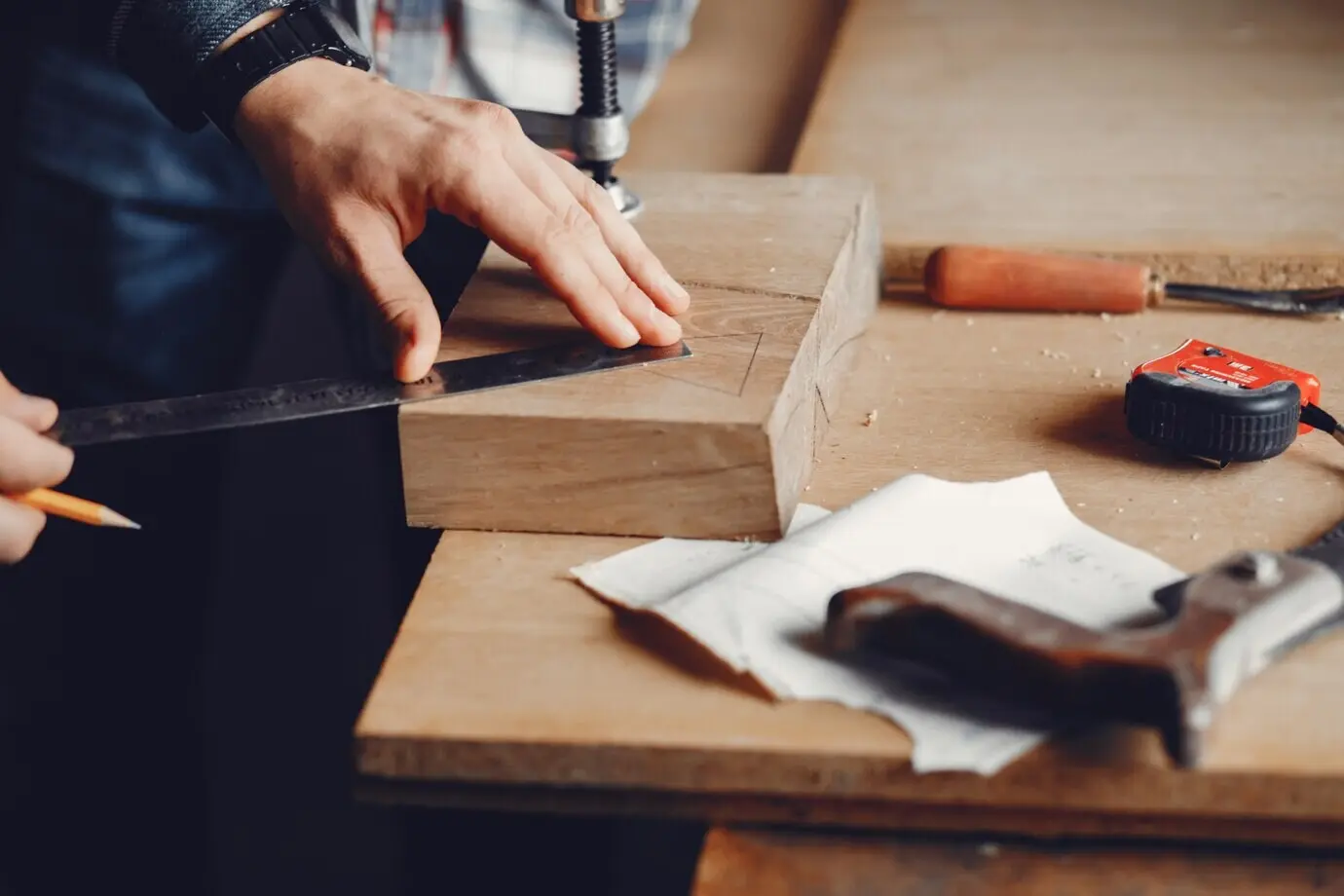

From Log to Ladle
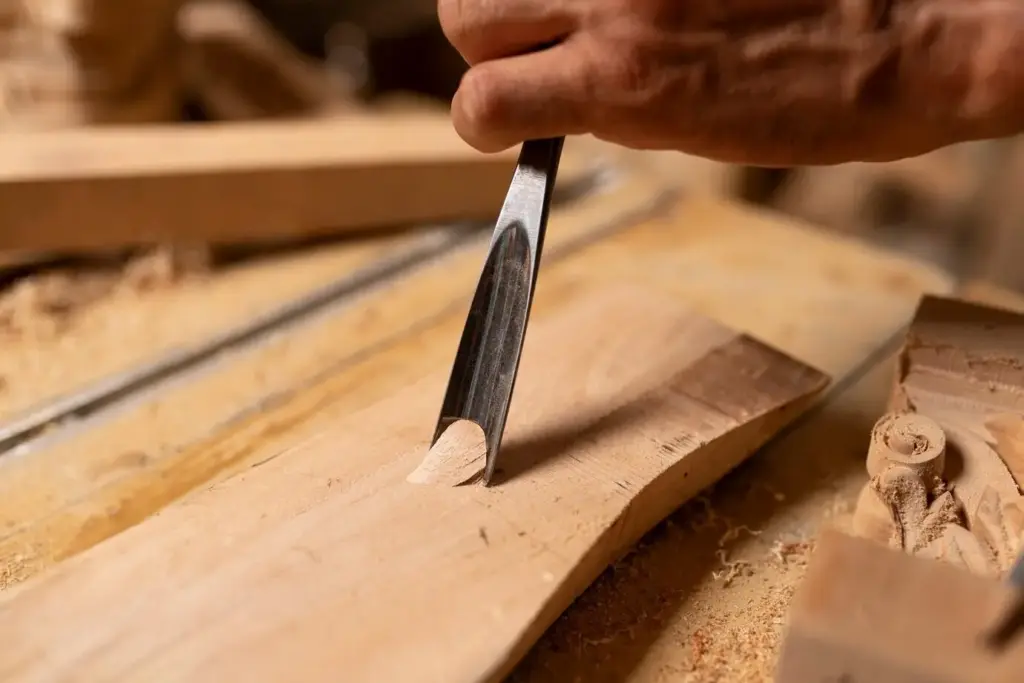
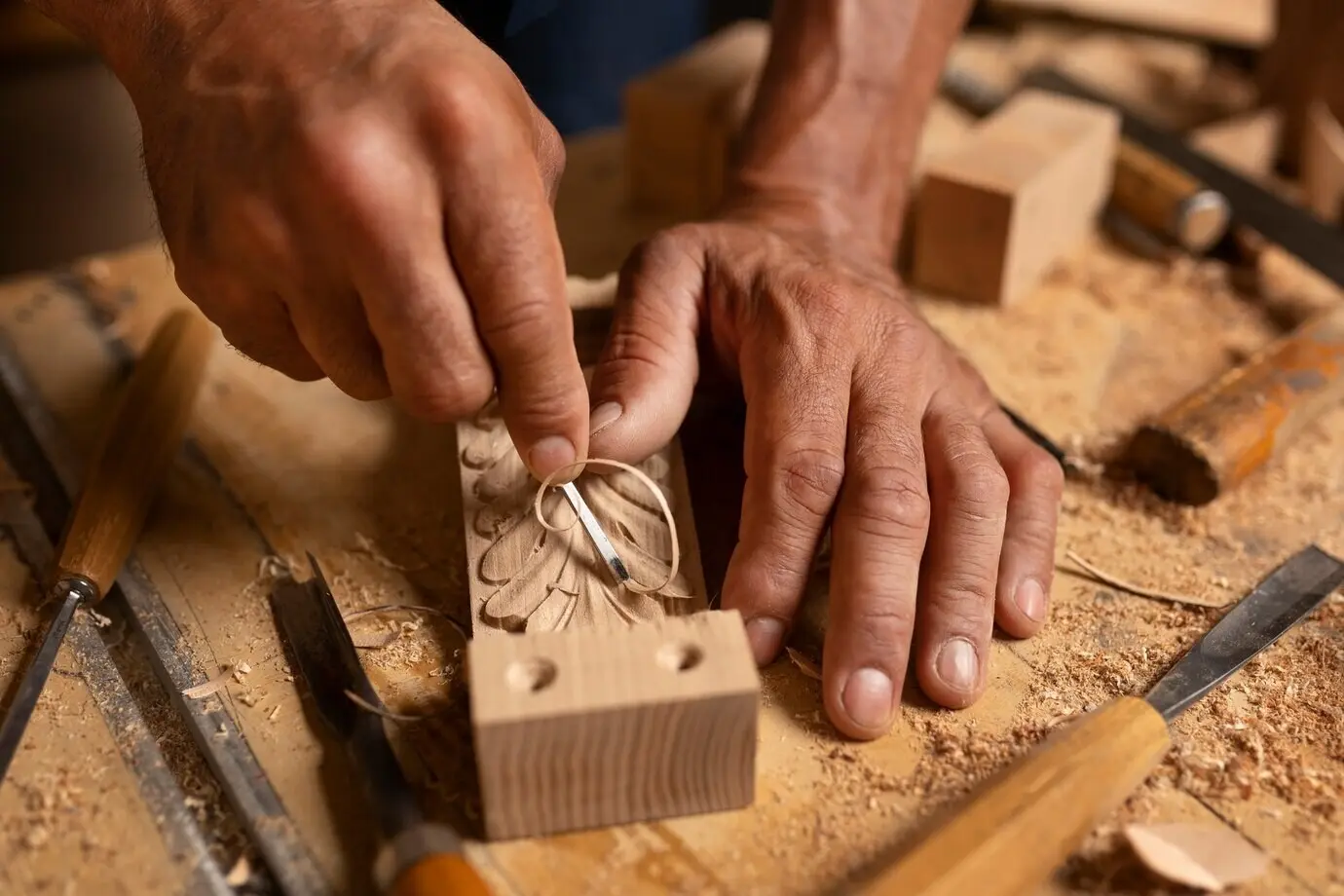
He starts by reading the grain, tilting the log until light reveals how the spoon bowl might cradle broth. The hatchet establishes silhouettes, then a straight knife refines curves you feel with closed eyes. Waste becomes kindling or children’s carving blanks. Nothing hurries. If you whittle or carve, which moment tells you the tool finally understood the wood and the form nearly made itself?
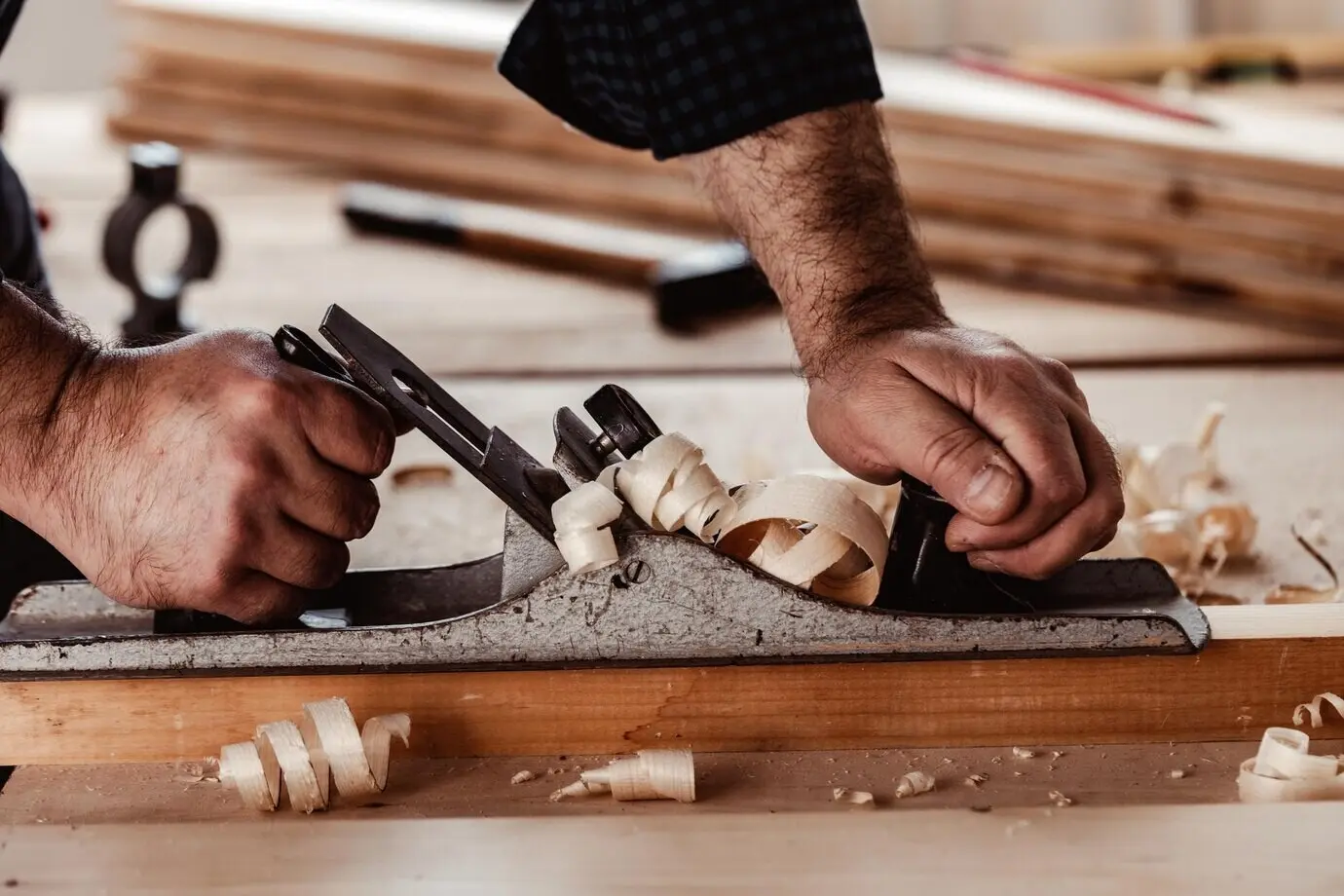
Finish That Feels Like Home
The spoon rests in warm flaxseed oil, then buffed with cloth older than its maker, leaving a glow like early afternoon on a pine floor. He explains caring for wood is kin to caring for skin: gentle soap, thorough drying, another nourishing coat. Scratches become patina, not problems. Share your maintenance rituals, because keeping things useful is an art that saves both money and memory.
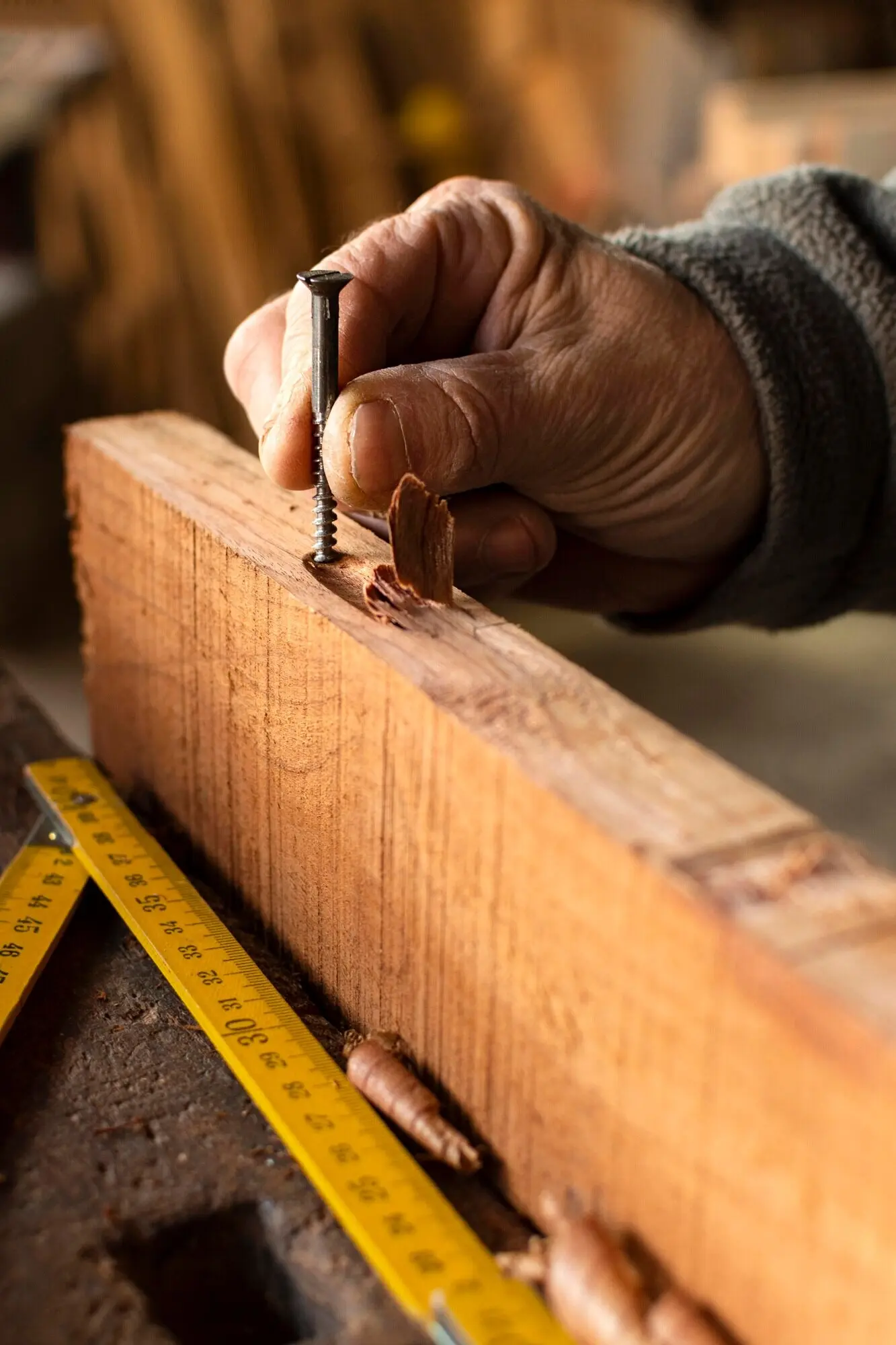
Selling with a Smile
At the weekly market, stories sell as surely as shapes. A grandmother tests a sieve’s balance, a child negotiates for a whistle, a cook imagines polenta stirred by a heavier handle. Everyone leaves with advice and a handwritten care note. What’s the kindest sales moment you’ve experienced, where guidance mattered more than closing quickly?